


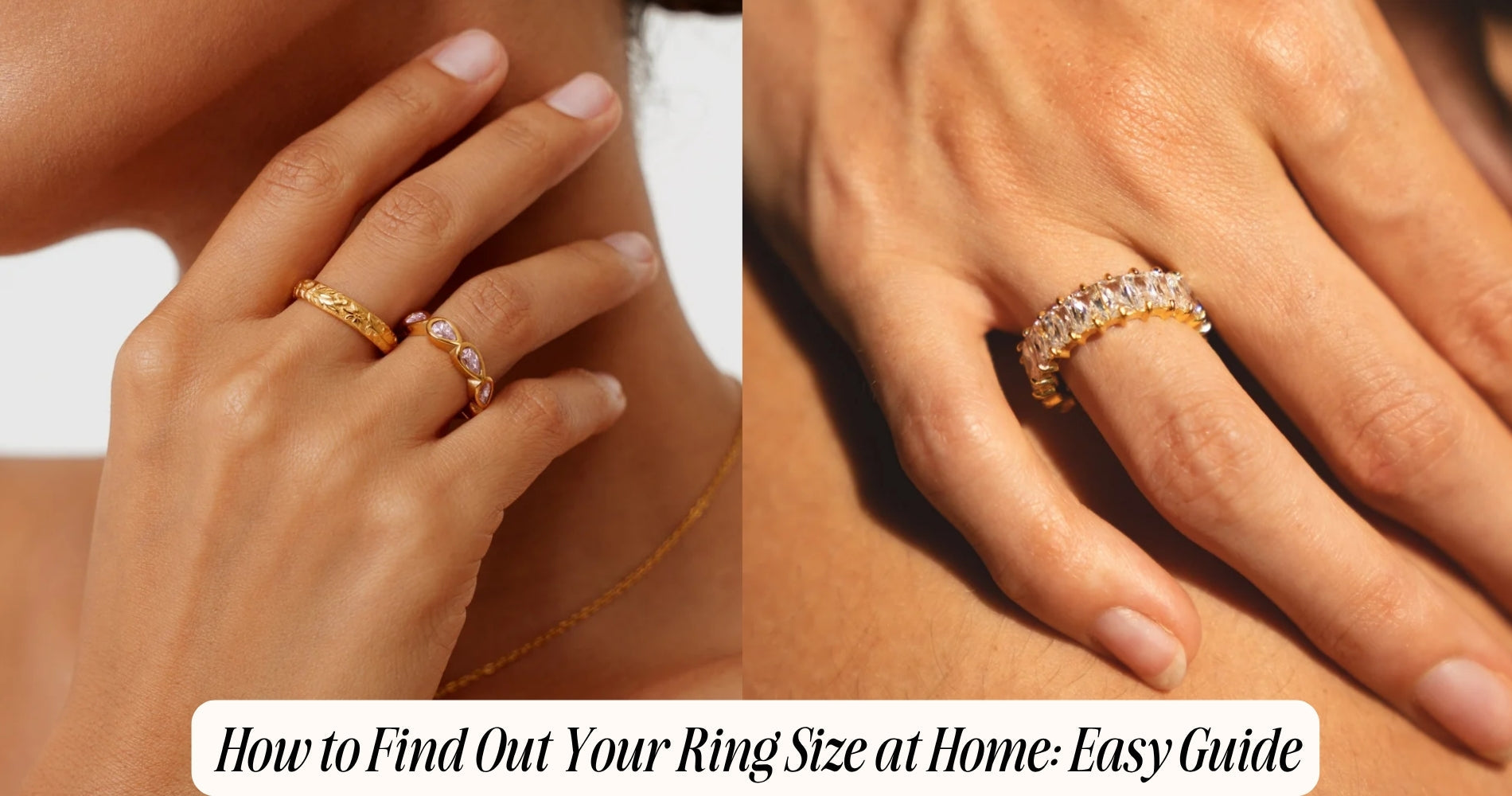
How to Find Out Your Ring Size at Home: Easy Guide
Whether you are shopping for a new ring online, planning a surprise proposal, or simply curious about your current size, knowing how to find out your ring size at home can save you a trip to the jeweler and help you shop with confidence. Fortunately, measuring your ring size accurately does not require any special tools, just a few household items and a little patience.
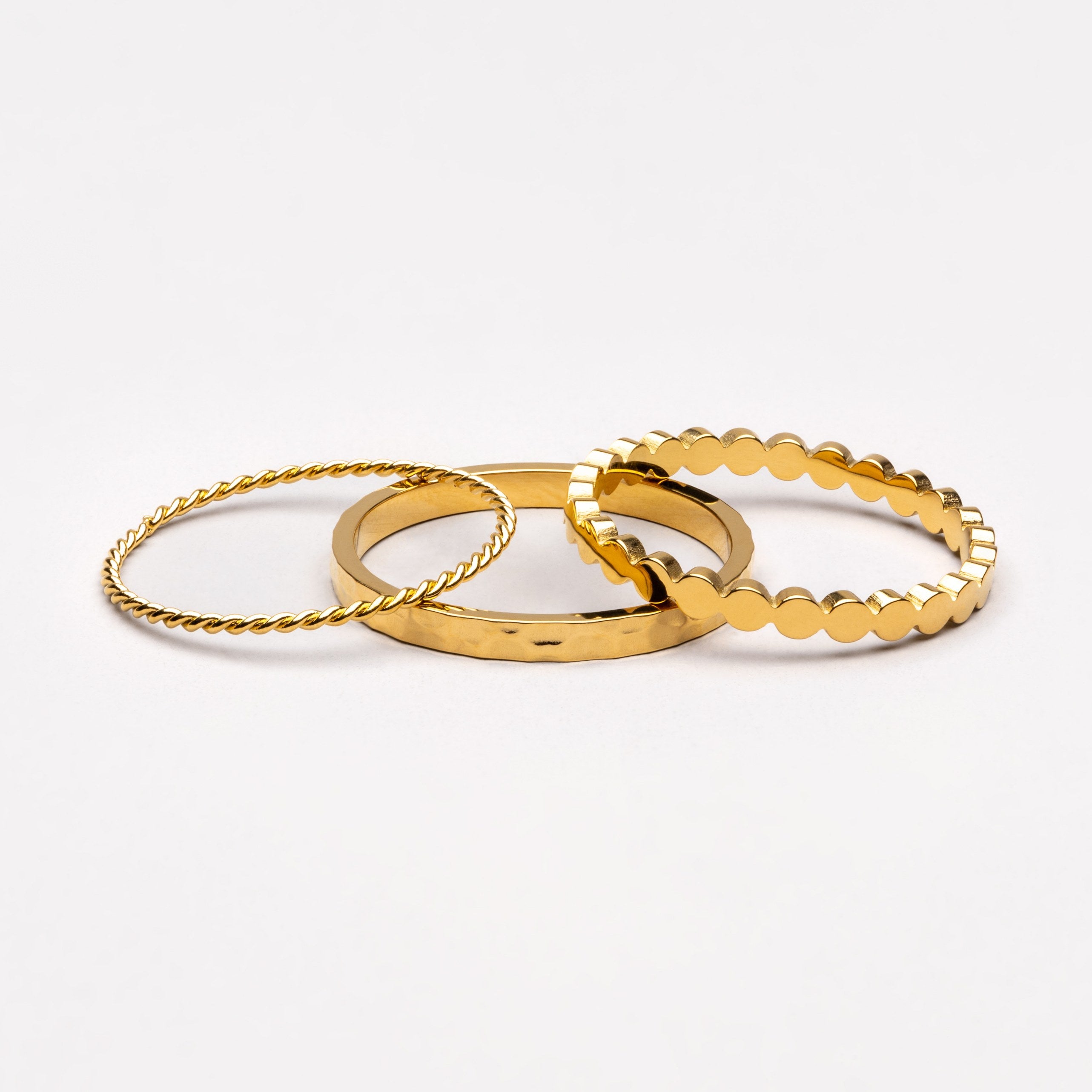
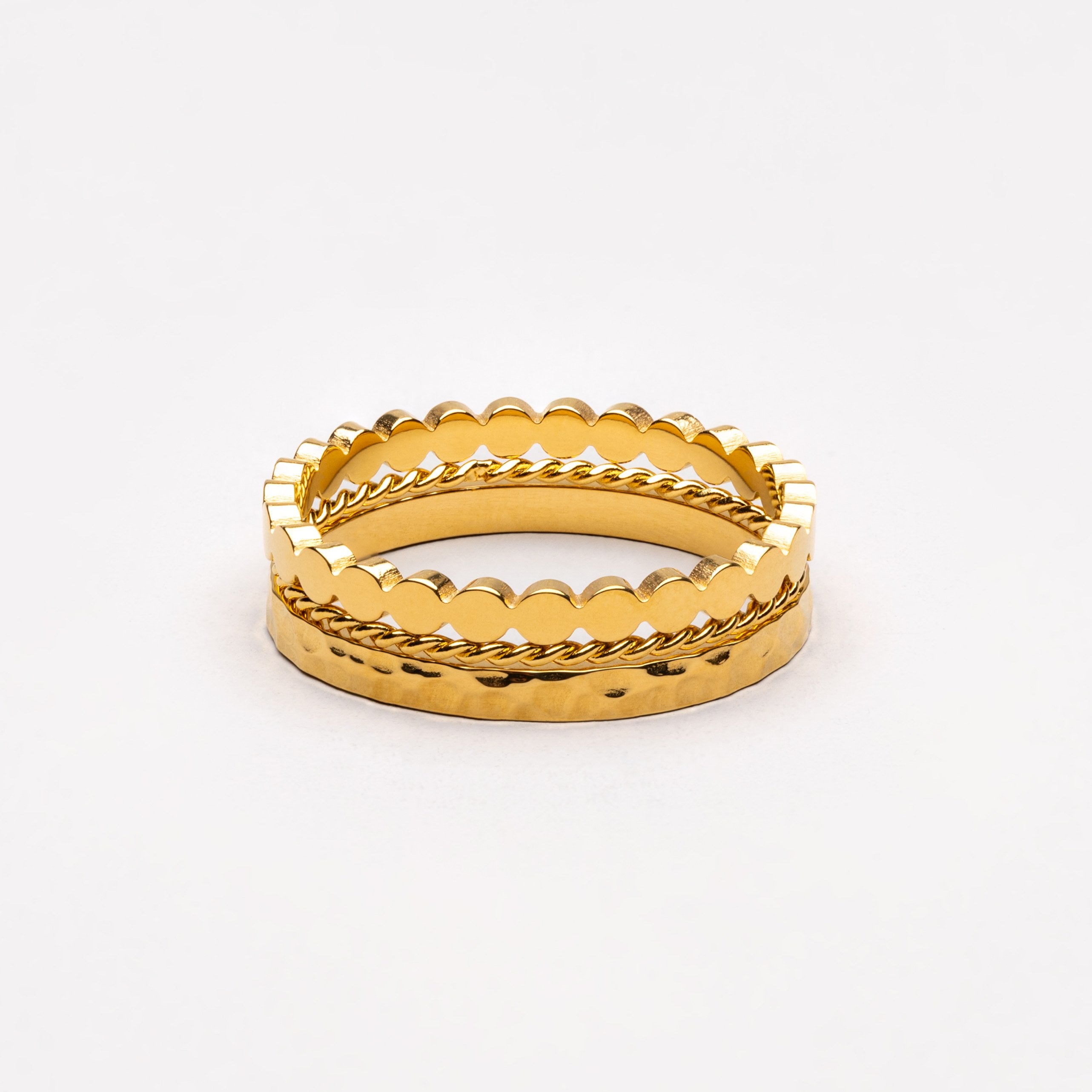
In this guide, we will walk through several reliable methods for determining your ring size from the comfort of your home, along with tips for getting the most accurate results possible. If you are ready to shop once you know your size, our Ring for Everyday Wear collection offers a variety of styles designed for comfortable, daily use.
Why Accurate Ring Sizing Matters
Getting your ring size right matters more than you might initially think. A ring that is too tight can feel uncomfortable, restrict circulation, or become genuinely difficult to remove, particularly if your fingers swell due to heat, exercise, or time of day. A ring that is too loose, on the other hand, risks slipping off and potentially becoming lost, especially during activities involving hand movement.
Taking the time to measure carefully at home helps you avoid these common frustrations, whether you are purchasing a ring for yourself or as a gift for someone else.

Method 1: The String or Paper Strip Method
One of the most accessible ways to measure your ring size at home uses nothing more than a piece of string or a thin strip of paper.
Begin by cutting a piece of string or a thin strip of paper long enough to comfortably wrap around your finger. Wrap it snugly around the base of the finger you plan to measure, being careful not to pull it too tight, since this can result in an inaccurate, smaller than actual measurement. Mark the point where the string or paper overlaps to form a complete circle around your finger.
Once marked, lay the string or paper strip flat and measure the length from the starting point to your marked point using a ruler, ideally one that measures in millimeters for the most precise result. This measurement represents your finger's circumference, which can then be compared to a ring size chart to determine your corresponding ring size.
Method 2: Using an Existing Ring You Already Own
If you already own a ring that fits the intended finger well, you can use it as a reference to determine your size without needing to measure your finger directly.
Find a ring that already fits comfortably on the finger you are sizing for, then measure its inner diameter using a ruler, placing the ruler directly across the inside of the ring from one edge to the other. This inner diameter measurement can then be compared to a ring size chart, which typically lists corresponding diameters alongside standard ring sizes.
For a more precise result, you can also trace the inside of the ring onto a piece of paper, then measure the diameter of the traced circle using a ruler, which can sometimes offer a clearer, easier to read measurement than measuring directly across the ring itself.

Method 3: Printable Ring Sizer
Many jewelry retailers and websites offer free, printable ring sizing guides that can be downloaded and printed at home. These typically include a series of graduated circles representing different ring sizes, allowing you to compare your finger directly against each circle to find the best match.
When using a printable ring sizer, it is important to ensure your printer settings are configured to print at actual size, rather than automatically scaling the image to fit the page, since even a small scaling adjustment can throw off the accuracy of your measurement.
Method 4: DIY Ring Sizer Using Household Items
If you do not have access to a printer or an existing ring that fits well, you can create a makeshift ring sizer using items you likely already have at home, such as a thin strip cut from a plastic bag, a piece of paper, or even a strip of tape.
Wrap the material snugly around the base of your finger, mark where it overlaps to form a complete circle, then remove it and measure the marked length using a ruler. While this method requires a bit more improvisation compared to a printed guide, it can still provide a reasonably accurate measurement when done carefully.
Tips for Getting the Most Accurate Measurement
Regardless of which method you choose, a few general tips can help ensure your at home ring size measurement is as accurate as possible.
Measure at the right time of day. Fingers naturally swell slightly throughout the day, particularly in warmer temperatures or after physical activity. For the most consistent results, measure your ring size in the evening, when fingers tend to be at their largest, rather than first thing in the morning when they may be at their smallest.
Measure multiple times. Taking your measurement two or three times and comparing the results can help you identify any inconsistencies and arrive at a more reliable average size.
Consider the width of the ring band. Wider ring bands generally require a slightly larger size compared to thinner bands to achieve the same level of comfort, since more surface area comes into contact with the finger. If you are measuring for a wider style, it may be worth sizing up slightly compared to a standard measurement.
Account for temperature. Cold temperatures can cause fingers to shrink slightly, while heat can cause them to swell. Try to measure your finger at a comfortable, average room temperature for the most consistent, reliable results.
Measure the correct finger. Finger size can vary noticeably from one hand to another, and even between different fingers on the same hand, so always measure the specific finger you intend to wear the ring on, rather than assuming all fingers are the same size.

Understanding Ring Size Charts
Once you have your finger's circumference or diameter measurement, comparing it to a standard ring size chart allows you to determine your corresponding ring size. Most charts list ring sizes alongside both circumference and diameter measurements in millimeters, along with the corresponding standard size used in the United States or other regions, since sizing conventions can vary internationally.
If you are shopping from a specific retailer, it is generally a good idea to check whether they use a particular regional sizing system, since US, UK, and European ring sizes are measured using different scales and are not always directly interchangeable without conversion.
When to Consider Professional Sizing
While at home methods can provide a fairly reliable estimate, certain situations call for more precise, professional sizing. If you are purchasing a particularly significant or expensive piece, such as an engagement ring, visiting a jeweler for professional sizing offers the most accurate results, since they use specialized, calibrated ring sizing tools designed specifically for this purpose.
Professional sizing is also worth considering if your at home measurements seem inconsistent between attempts, or if you are sizing for a finger with an unusual shape, such as noticeably larger knuckles compared to the base of the finger, which can make accurate at home measurement more challenging.

Common Mistakes to Avoid
A few common mistakes can lead to inaccurate at home ring size measurements. Avoid pulling string or paper too tightly around your finger, since this typically results in an artificially small measurement. Avoid measuring when your fingers are unusually cold or warm, since temperature related swelling or shrinking can skew your results. Avoid relying on a single measurement without double checking, since small inconsistencies are common and easy to overlook without a second attempt for comparison.
Final Thoughts
Learning how to find out your ring size at home is a simple, accessible process that does not require any special tools or a trip to the jeweler. By using methods like the string test, measuring an existing ring, or printing a ring sizing guide, and following a few key accuracy tips along the way, you can confidently determine your ring size from the comfort of your own home.
Whether you are shopping for yourself or someone else, taking the time to measure carefully helps ensure your new ring fits comfortably and securely from the very first wear.
Frequently Asked Questions
-
What is the most accurate way to measure ring size at home? Using an existing ring that already fits well and measuring its inner diameter tends to offer one of the most reliable at home methods.
-
Should I measure my ring size in the morning or evening? Evening is generally recommended, since fingers tend to be slightly larger later in the day compared to first thing in the morning.
-
Do I need a different ring size for wider bands? Yes, wider bands often require sizing up slightly compared to thinner bands to maintain the same level of comfort.
-
Is it necessary to get professionally sized for an engagement ring? While at home methods can provide a helpful estimate, professional sizing is generally recommended for significant purchases like engagement rings to ensure the most accurate fit.






コメントを書く
このサイトはhCaptchaによって保護されており、hCaptchaプライバシーポリシーおよび利用規約が適用されます。