

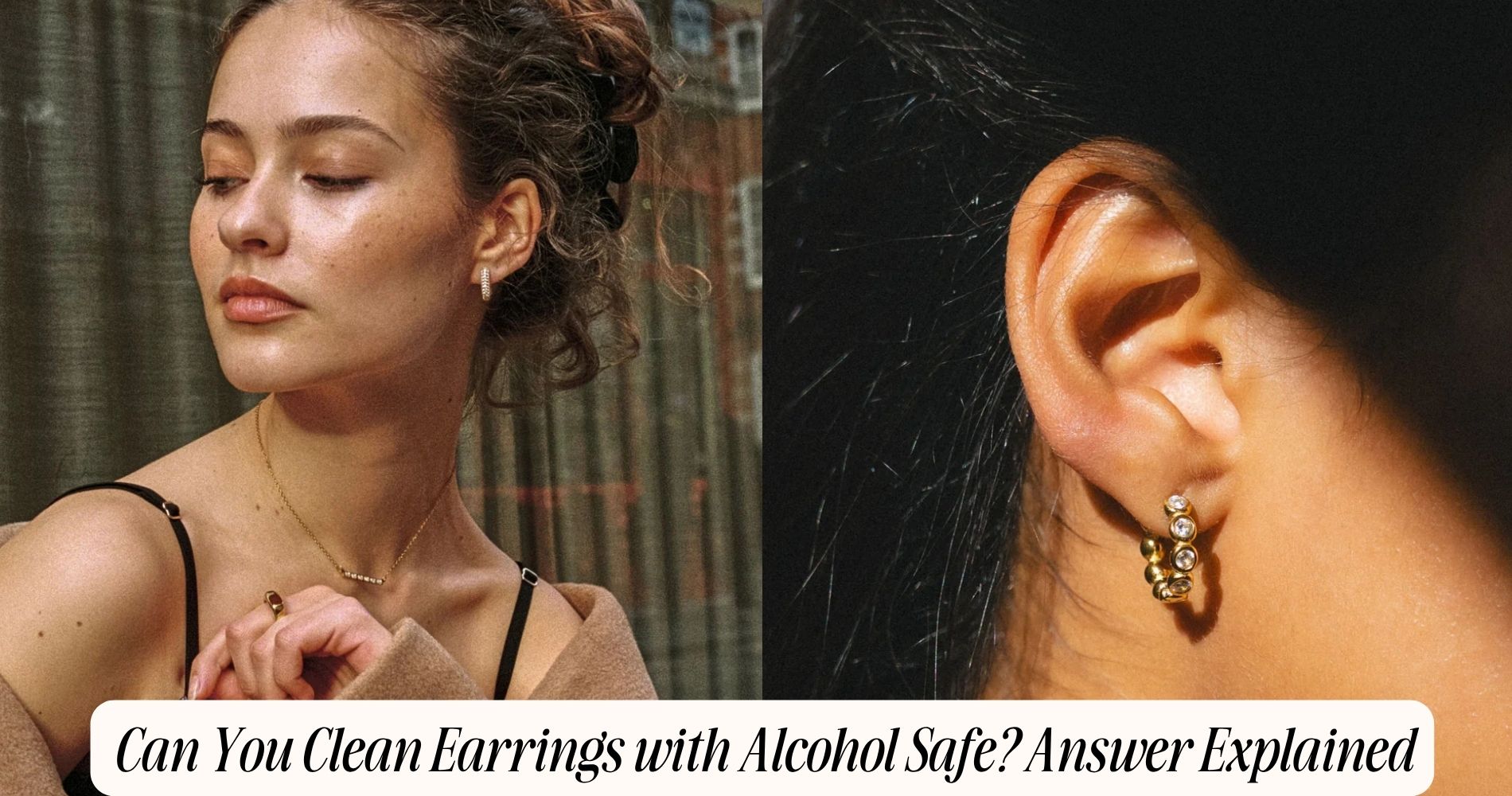
Can You Clean Earrings with Alcohol Safe? Answer Explained
Can you clean earrings with alcohol? You can safely clean some earrings with alcohol, but only when you know exactly what they’re made of. It’s generally fine on solid precious metals (sterling silver, platinum, 14K+ gold) and hard, non-porous stones like diamonds, sapphires, and rubies, as long as there’s no plating, lacquer, or glue. Avoid alcohol on pearls, opals, emeralds, turquoise, antique or plated pieces, and glued settings. With the right method and materials, you’ll get much better, safer results—especially with durable pieces like those found in the Waterproof Earrings collection.
Is It Safe to Clean Earrings With Alcohol?
When you’re deciding whether it’s safe to clean earrings with alcohol, the answer depends on both the metal and any stones or coatings involved. You’re not just choosing a product; you’re matching chemistry to specific earring materials and construction details.
You must first distinguish between base metals, noble metals, plated finishes, adhesives, and any organic or porous components. Each reacts differently to standard cleaning techniques that use isopropyl or ethyl alcohol as the active agent.
Alcohol reliably dissolves skin oils, light biofilm, and some cosmetic residues, but it can dehydrate, cloud, or weaken vulnerable components. To evaluate safety, you need to identify the alloy, surface treatment, and setting method, then determine whether alcohol’s solvent action and evaporation rate are compatible with that configuration.

When Is Alcohol Safe for Different Earrings?
Although alcohol often gets treated like a universal cleaner, it’s only reliably safe on specific earring materials and constructions. You can safely use isopropyl alcohol (70%–90%) on solid precious metals such as sterling silver, platinum, and higher‑karat gold (typically 14K and above), provided there are no protective lacquers or adhesives.
This helps reduce bioburden while also supporting metal sensitivity management, since alcohol doesn’t introduce nickel or other allergenic metals.
For gemstone care, alcohol is usually acceptable on hard, non‑porous stones set securely in metal: diamonds, sapphires, rubies, moissanite, and most lab‑grown equivalents.
Apply it with a lint‑free pad or soft brush, focusing on posts, backs, and contact points. Always avoid soaking if you’re unsure about the stone’s treatment, coating, or setting integrity.
Earrings You Should Never Clean With Alcohol
Because alcohol doesn’t distinguish between durable metals and vulnerable materials, some earrings should never come into contact with it. You must avoid alcohol on porous or organic components: pearls, opals, emeralds, turquoise, coral, amber, and shell. Alcohol dehydrates these materials, causing micro‑cracking, chalkiness, and surface erosion.
You also shouldn’t use alcohol on antique or plated gold earrings, especially those with thin gold layers over base metal. Alcohol can accelerate breakdown of plating, exposing the core and triggering tarnish or discoloration.
Stay away from alcohol on delicate gemstone settings secured with glue, such as pavé, cluster, and fashion studs. Alcohol weakens many jewelry adhesives, increasing the risk of loose or lost stones and destabilizing intricate settings over time.

How to Clean Earrings With Alcohol Safely
Two core principles govern cleaning earrings with alcohol safely: control contact and protect sensitive components.
First, verify your earring materials: alcohol is appropriate for solid gold, platinum, surgical steel, and most titanium, but use caution around glued settings, plated finishes, and porous stones. Work with 70% isopropyl alcohol, which offers effective disinfection without excessive evaporation.
Begin by washing your hands, then wipe the earring posts and backs with an alcohol‑dampened lint‑free pad, avoiding prolonged saturation.
For intricate metalwork, use a fine synthetic brush lightly moistened with alcohol, directing strokes away from stones and joints. Don’t soak earrings unless you’ve confirmed all components are non‑porous and non‑plated.
Finally, air‑dry thoroughly on a clean, non‑fibrous surface before wearing.
Gentler Alternatives to Alcohol for Cleaning Earrings
If you’re working with delicate stones, plated finishes, or adhesive‑set pieces, you’ll often get better results by choosing milder cleaners instead of alcohol.
For natural cleaning, mix a few drops of pH‑neutral dish soap with warm (not hot) water. Submerge metal‑only earrings for five minutes, then gently agitate with a soft nylon brush, rinse, and pat dry with a lint‑free cloth.
For DIY solutions on fragile gems or glue‑set crystals, lightly wipe the surfaces with a barely damp microfiber cloth, then immediately dry.
For gold‑filled or plated earrings, use soap solution only on metal areas, avoiding stones and joints. You can also use pre‑packaged jewelry wipes labeled safe for plated or gemstone jewelry, which provide controlled moisture and reduce over‑saturation risk.
How Often Should You Clean Your Earrings?
Ideally, you should clean earrings that you wear regularly about once a week, with more frequent disinfection for new or recently pierced ears.
During the initial healing period, professional earring care standards recommend once- or twice-daily cleaning to control bioburden and prevent biofilm formation on posts and backs.
After healing, adjust cleaning frequency based on how often you wear the earrings and your skin’s sensitivity.
Daily-wear studs and hoops accumulate sebum, sweat, and cosmetic residue faster, so maintain a weekly schedule.
For occasional pieces, clean them before and after each wear, especially if they contact irritated or compromised skin.
If you notice redness, odor, or buildup, increase cleaning immediately and reassess materials, fit, and your overall earring care routine.

Frequently Asked Questions
Can Alcohol Cleaning Damage Gemstone Settings or Loosen Glued Components in Earrings?
Yes, alcohol cleaning can damage gemstone settings and loosen glued components. You risk compromising gemstone durability, stripping protective coatings, and degrading adhesive integrity, especially with porous stones or epoxy-based glues, leading to instability or stone loss over time.
Is It Safe to Use Alcohol on Earrings With Enamel or Painted Designs?
No, you shouldn’t use alcohol on earrings with enamel or painted designs; it can soften binders, dull gloss, and compromise enamel integrity, causing micro‑cracking, color lift, or peeling of the painted finish over repeated cleanings.
Can I Use Rubbing Alcohol on Newly Pierced Ears or Healing Piercings?
You shouldn’t use rubbing alcohol on newly pierced or healing piercings. It dehydrates tissue, delays the healing process, and can cause irritation. For infection prevention, use sterile saline solution and follow your piercer’s aftercare instructions precisely.
Does Alcohol Cleaning Affect Plated Earrings’ Color or Cause Tarnishing Over Time?
Yes, alcohol cleaning can gradually damage plated earrings, accelerating color fading and micro-abrasion of the thin plating layer. You should limit alcohol exposure, avoid soaking, and instead use mild soap, water, and soft cloth drying.
What Should I Do if My Skin Reacts After Wearing Alcohol-Cleaned Earrings?
Immediately remove the earrings, cleanse lobes with mild soap and water, then apply a cool compress. Monitor skin irritation; if redness, swelling, or blistering persist, discontinue use, suspect metal or alcohol allergy reactions, and consult a dermatologist.
Conclusion
By now, you know alcohol can be a safe, effective way to clean many earrings—if you match the method to the material. Keep it away from soft stones, porous gems, pearls, and delicate coatings, and always spot-test when in doubt. Use alcohol correctly, rely on gentler options when needed, and clean your earrings regularly to reduce buildup and infection risk. With a careful, informed approach, you’ll keep your earrings both hygienic and structurally sound.





Leave a comment
This site is protected by hCaptcha and the hCaptcha Privacy Policy and Terms of Service apply.