


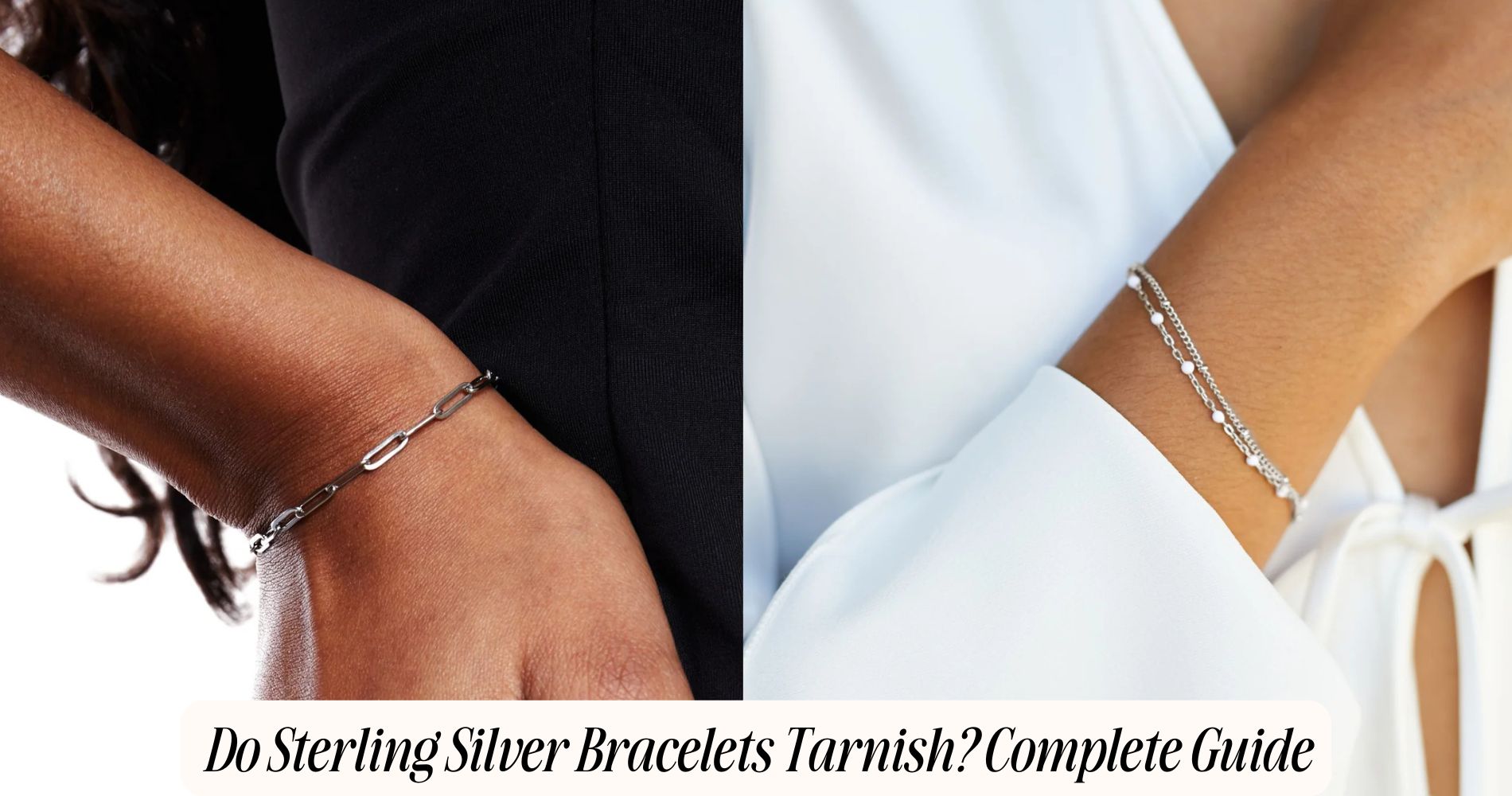
Do Sterling Silver Bracelets Tarnish? Complete Guide
If you’ve ever wondered do sterling silver bracelets tarnish, the answer is yes—though it’s completely normal. Because sterling silver is made of 92.5% silver and 7.5% other metals like copper, it reacts with sulfur, oxygen, and moisture over time. This can cause a yellow tint or dull gray film within weeks, eventually darkening to brown or nearly black, especially with exposure to sweat, lotions, or humidity. The good news is that with the right storage, daily habits, and gentle cleaning, you can slow down tarnish and keep your pieces looking radiant, just like the styles in our Beach Bracelets Collection.
What Sterling Silver Is and Why It Tarnishes
Sterling silver is an alloy made of 92.5% pure silver and 7.5% other metals—most commonly copper—engineered to improve hardness and durability over soft fine silver.
When you evaluate sterling silver composition, you’re really looking at how this copper fraction alters performance and surface chemistry. Pure silver is relatively inert, but copper is far more reactive, which is why your bracelet doesn’t stay bright indefinitely.
You see tarnish when the alloy’s surface undergoes a tarnishing process: reactive gases (mainly sulfur compounds like hydrogen sulfide) and, to a lesser extent, oxygen interact with the exposed metal atoms.

This forms silver sulfide and copper oxides/sulfides, ultra-thin corrosion films that scatter light differently, so you perceive yellowing, dull gray, or nearly black discoloration.
How Fast Sterling Silver Bracelets Tarnish
Although the underlying chemistry is the same, the rate at which a sterling silver bracelet tarnishes can vary from barely noticeable over months to visible darkening within days, depending on environment and wear habits.
Tarnish speed reflects how quickly silver sulfide and other corrosion products form on the alloy surface. In many real‑world conditions, you’ll see a slight yellow or gray cast in a few weeks, progressing to brown or black over several months.
Your bracelet’s fabrication also matters. Highly polished, densely packed surfaces slow initial nucleation of tarnish films, while porous, textured, or intricately engraved areas accumulate tarnish faster.
Consistent bracelet maintenance—wiping with a clean, dry, non‑abrasive cloth and storing properly—doesn’t stop the underlying reactions but greatly extends the interval between visible tarnish stages.
Everyday Factors That Make Tarnish Worse
Even when you handle your bracelet carefully, everyday exposures in your routine can massively accelerate tarnish formation. Your skin’s natural oils, sweat, and sulfur-containing amino acids create a micro-environment that reacts with the silver surface.
Elevated humidity levels, especially in bathrooms or coastal climates, keep a thin moisture film on the metal, allowing oxygen and sulfur compounds to stay in constant contact with the alloy.
Routine chemical exposure is just as aggressive. Ingredients in hand soap, sanitizers, lotions, perfumes, hair products, and household cleaners often contain chlorides, sulfides, and acids that attack sterling silver.
Even treated tap water and pool water introduce reactive ions. Friction from typing, gym equipment, or stacking bracelets also abrades protective silver oxide layers, exposing fresh metal to corrosion.
How to Prevent Tarnish on Sterling Silver Bracelets
Once you understand what accelerates tarnish, you can slow it dramatically by controlling exposure and creating a stable micro-environment around your bracelet. For effective tarnish prevention, treat silver as a reactive metal: minimize contact with sulfur, oxygen, moisture, and chlorides.
Store bracelets in airtight containers with anti-tarnish strips or sulfur-absorbing pouches; avoid humid bathrooms or windowsills.
As part of disciplined silver maintenance, remove bracelets before swimming, exercising, or applying lotions, sunscreen, perfume, and hair products. Body chemistry also matters—if your sweat is acidic, limit long, continuous wear.

Rotate pieces so surface films don’t build up. When you’re not wearing a bracelet for days, seal it in a zip-top bag with a desiccant packet to reduce both humidity and atmospheric pollutants.
Safe At-Home Methods to Clean Tarnished Silver
Preventive care slows tarnish, but every sterling silver bracelet will eventually form a dull surface film that you’ll need to remove.
At home, start with a mild dish soap and lukewarm water bath, then gently rub using a soft microfiber cloth to lift light oxidation and residue.
For heavier tarnish, make a baking soda paste (about three parts baking soda to one part water). Apply it with a soft cloth or baby toothbrush, working along the grain, then rinse and dry thoroughly.
Avoid abrasive powders or scrubbing pads that can scratch.
You can also use a diluted vinegar solution: mix equal parts white vinegar and water, soak briefly, then rinse and dry.
Always finish by buffing with a clean polishing cloth.
Professional Cleaning and When to Seek Help
Although regular at-home care keeps most tarnish in check, professional cleaning becomes essential when your sterling silver bracelets show deep discoloration, stubborn black spots, pitting, or intricate detailing you can’t safely reach.
A jeweler uses controlled ultrasonic baths, steam cleaning, and calibrated polishing wheels with appropriate abrasives to remove silver sulfide without thinning the metal or rounding edges.
Consider seeking help if gemstones, inlays, or oxidized (antiqued) sections are present, since harsh DIY methods can loosen settings or strip intentional patina.
Professional cleaning also lets the jeweler inspect solder joints, clasps, and links for metal fatigue or micro-cracks.

If you notice flaking, deep scratches, or structural distortion, stop home treatments immediately and request a full professional assessment.
Smart Storage Tips to Keep Your Bracelets Shining
Even when you’re diligent about cleaning, the way you store sterling silver bracelets largely determines how fast they tarnish and how well they retain structural integrity.
Prioritize dry, dark, low-humidity environments and avoid bathrooms or windowsills, where moisture and UV accelerate oxidation.
Use airtight storage solutions such as zip-top polyethylene bags, anti-tarnish pouches, or felt-lined compartments.
Add silica gel or activated charcoal strips to absorb ambient moisture and sulfur compounds.
For bracelet organization, separate each piece to prevent abrasion, kinking, and clasp deformation.
Store chain bracelets laid flat and fully closed; keep bangles upright in padded slots.
Avoid direct contact with rubber, newspaper, or wool, which off-gas sulfur.
Periodically inspect stored pieces so you can address micro-tarnish before it becomes visible.
Frequently Asked Questions
Can Tarnish on Sterling Silver Bracelets Cause Skin Irritation or Allergies?
Yes, tarnish on sterling silver bracelets can cause skin irritation, especially if you’ve got skin sensitivity to copper or sulfur compounds. You may notice erythema, pruritus, or dark discoloration where perspiration accelerates electrochemical reactions.
Are There Hypoallergenic Alternatives to Traditional Sterling Silver Bracelets?
Yes, you’ve got hypoallergenic options: choose pure titanium jewelry, niobium, or surgical stainless steel, which exhibit low nickel release. Avoid copper bracelets if you’re nickel‑sensitive; they oxidize readily and may still provoke contact dermatitis in susceptible skin.
Does the Weight or Thickness of a Bracelet Affect How It Tarnishes?
Yes, but only slightly—you’ll see minimal weight impact, while thickness effects matter more. Thicker bracelets tarnish slower because there’s more silver volume relative to surface area, so oxide and sulfide layers represent a smaller proportional material change.
Can I Safely Wear Sterling Silver Bracelets While Using Skincare or Makeup Products?
You can wear them, but skincare interactions and makeup residue accelerate tarnish. Avoid direct contact with acidic formulations, retinoids, chemical exfoliants, and sunscreens. Let products fully absorb, then wipe bracelets with a microfiber cloth after wear to minimize surface sulfide formation.
How Does Sterling Silver Compare to Stainless Steel in Terms of Tarnish and Durability?
You’ll find stainless steel offers superior tarnish resistance and hardness, so it typically outlasts sterling silver. Due to different metal properties, sterling silver scratches, deforms, and oxidizes more readily, demanding periodic polishing and gentler everyday wear.
Conclusion
You now know that sterling silver bracelets will tarnish, but you’re not powerless against it. By understanding oxidation, sulfur exposure, and abrasion, you can slow the reaction and preserve the metal’s luster. Control moisture, chemicals, and air, store each bracelet correctly, and clean with non-abrasive methods before tarnish hardens. When patina becomes stubborn, seek professional ultrasonic or steam cleaning. With consistent care, your sterling silver bracelets will stay bright, stable, and structurally sound for years.






Leave a comment
This site is protected by hCaptcha and the hCaptcha Privacy Policy and Terms of Service apply.