

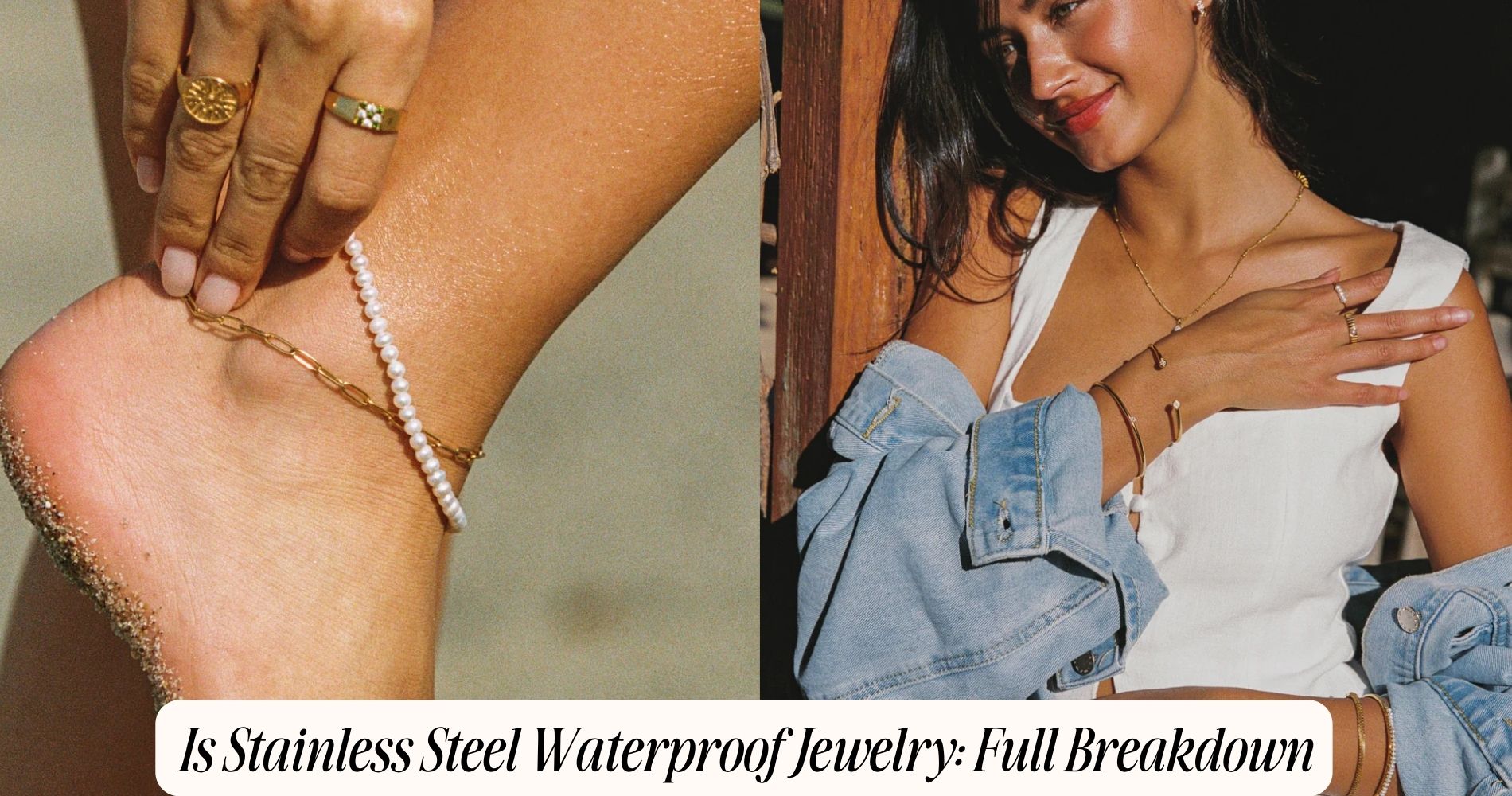
Is Stainless Steel Waterproof Jewelry: Full Breakdown
Stainless steel appears on more waterproof jewelry product pages than any other base metal, but not all stainless steel performs equally in water. The grade matters, the finish matters, and the specific type of water exposure matters. If you are asking is stainless steel waterproof jewelry, the most accurate answer is: surgical-grade stainless steel is genuinely water-resistant to a degree that qualifies it for daily active wear, and with PVD coating it becomes the most durable waterproof jewelry option at an accessible price point. Waterproof Jewelry built on that specification holds up in practice. This guide breaks down the full picture: how stainless steel resists water, which grade performs best, what PVD adds, and what limitations exist.
How Stainless Steel Resists Water
Stainless steel is not a single material. It is a family of iron-based alloys distinguished by their chromium content, and it is the chromium that creates water resistance.
When stainless steel is exposed to oxygen, the chromium in the alloy reacts preferentially to form a thin, transparent layer of chromium oxide on the surface. This layer is the passive film: a stable, chemically inert barrier that prevents water, salt, chlorine, and the compounds in sweat and skincare products from reaching the iron content beneath it. Without that passive film, the iron in the alloy would rust through the same oxidation process that affects unprotected steel.
The passive film is self-renewing. If the surface is scratched or disrupted, it reforms immediately when exposed to oxygen again. This self-renewing quality is what makes stainless steel fundamentally different from plated jewelry where the protective layer, once damaged, exposes a reactive base that cannot recover.
The thickness and stability of the passive film depends on the chromium percentage in the alloy. Standard stainless steel grades contain a minimum of 10.5% chromium. Jewelry-grade and surgical-grade stainless steel alloys contain significantly higher chromium percentages that produce a more stable and durable passive film, which is why grade selection matters for jewelry intended for sustained water contact.

Stainless Steel Grades and Their Water Resistance
Not all stainless steel used in jewelry performs equally in water. The grade designation tells you the specific alloy composition and, by extension, its resistance to the corrosion conditions jewelry encounters.
316L stainless steel (surgical grade)
316L is the standard for genuine waterproof jewelry and medical applications. It contains 16 to 18% chromium, 10 to 14% nickel, and 2 to 3% molybdenum. The molybdenum content is the key differentiator from other grades: it significantly improves resistance to chloride-induced pitting corrosion, which is the specific corrosion mechanism that pool water (chlorine) and ocean water (sodium chloride) produce on steel.
The L designation indicates low carbon content, which reduces carbide precipitation at weld boundaries and improves overall corrosion resistance compared to standard 316 steel. This is why 316L is the specification used in marine hardware, surgical implants, and food processing equipment alongside jewelry, all applications where sustained exposure to corrosive environments is expected.
304 stainless steel
304 stainless steel contains 18 to 20% chromium and 8 to 10.5% nickel but no molybdenum. It is highly corrosion-resistant in most environments and is used in kitchen appliances, food preparation surfaces, and a large proportion of consumer products. For jewelry worn in typical daily conditions including showers and light sweat, 304 performs well. Its limitation compared to 316L appears specifically in chloride-rich environments: pool water and ocean water can cause pitting corrosion on 304 steel over repeated extended exposure in a way that 316L resists.
For most daily wear jewelry contexts, 304 performs adequately. For pieces specifically worn through regular pool sessions or ocean swimming, 316L is the more appropriate specification.
200 series stainless steel
Some lower-cost fashion jewelry uses 200 series stainless steel, which substitutes manganese for some of the nickel content to reduce cost. These alloys have lower corrosion resistance than 300 series grades and are not appropriate for jewelry marketed as waterproof. Products using 200 series steel are sometimes described simply as stainless steel without the grade designation, which is one reason why checking for a specific grade number (316L or 304) matters when evaluating a waterproof claim.

Is Stainless Steel Waterproof Jewelry: Conditions Compared
| Water Type | 316L Performance | 304 Performance | Plated Brass Performance |
|---|---|---|---|
| Daily shower | Excellent | Excellent | Poor to moderate |
| Fresh water swimming | Excellent | Excellent | Poor |
| Pool water (chlorinated) | Excellent | Good | Very poor |
| Ocean water (salt) | Excellent | Good | Very poor |
| Sweat and skin contact | Excellent | Excellent | Poor |
| Soap and shampoo | Excellent | Excellent | Poor to moderate |
316L stainless steel maintains its appearance across all of those conditions without tarnishing, pitting, or corroding through regular daily exposure. The passive film holds through chlorine, salt, soap, and sustained skin contact without breaking down. This is why the material is used in environments far more demanding than jewelry wear: marine environments, medical implants, and industrial food processing.
The comparison with plated brass is stark. Gold-plated brass fails in pool and ocean water specifically because chlorine and salt attack the copper base aggressively once the thin plating layer is compromised at edges, joins, and friction points. The reactive base metal has no recovery mechanism: once the plating lifts, corrosion accelerates. Stainless steel's passive film, by contrast, actively protects the metal and rebuilds itself if disrupted.
What PVD Coating Adds to Stainless Steel's Water Resistance
Uncoated 316L stainless steel is waterproof in its natural silver-gray finish. PVD coating extends that waterproof performance to colored finishes, primarily gold and rose gold tones, that would not otherwise be achievable on stainless steel without standard electroplating.
PVD (Physical Vapor Deposition) deposits the color layer in a vacuum environment at the atomic level. The coating material, typically titanium nitride, zirconium nitride, or chromium nitride, bonds to the stainless steel surface through a process that is fundamentally different from electroplating. Standard electroplating creates a surface adhesion between the coating and the base metal. PVD creates an atomic-level bond that produces a coating approximately 2 to 5 microns thick, compared to 0.5 microns or less for standard electroplating.

That difference in thickness and bond strength produces three specific water-resistance advantages over standard plating:
No edge lifting. Electroplated coatings tend to lift at edges and joins under repeated thermal cycling from hot and cold water contact. PVD's atomic bond does not have this vulnerability, which means the finish at clasp edges, link joins, and ring shank interiors remains intact through sustained water exposure.
No friction wear-through. The PVD coating is harder than the steel beneath it (8 to 9 on the Mohs hardness scale versus 5.5 to 6.3 for the steel). This means friction from rings and bracelets in daily active wear removes the coating more slowly than it removes the steel, which is the opposite of standard plating where the coating is softer and wears through first.
No base metal exposure. Because the coating does not lift at edges or wear through at friction points under normal conditions, the stainless steel base remains protected throughout the life of the piece. There is no reactive base metal beneath the PVD layer to corrode once the coating degrades, unlike plated brass where coating failure immediately exposes a highly reactive copper alloy.
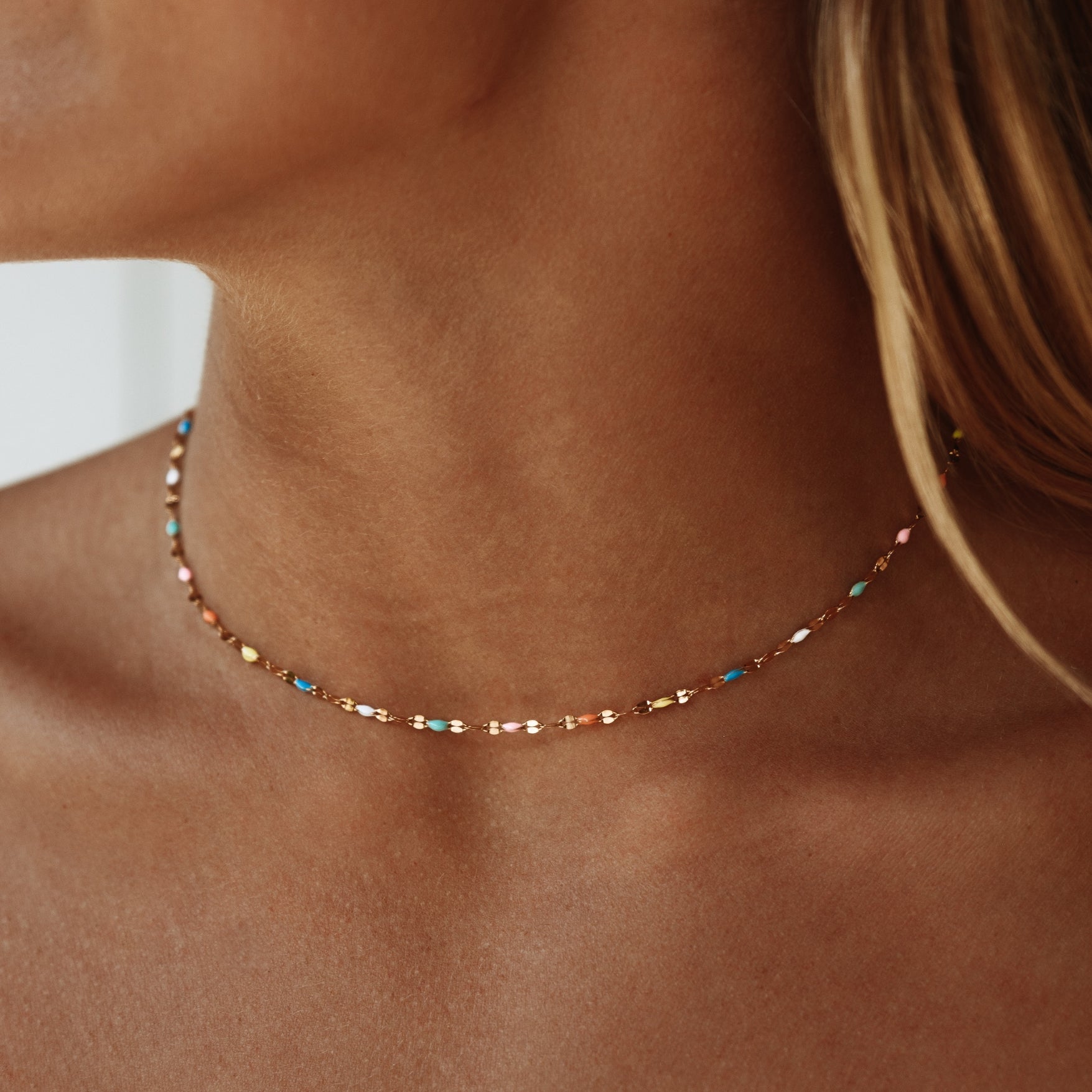
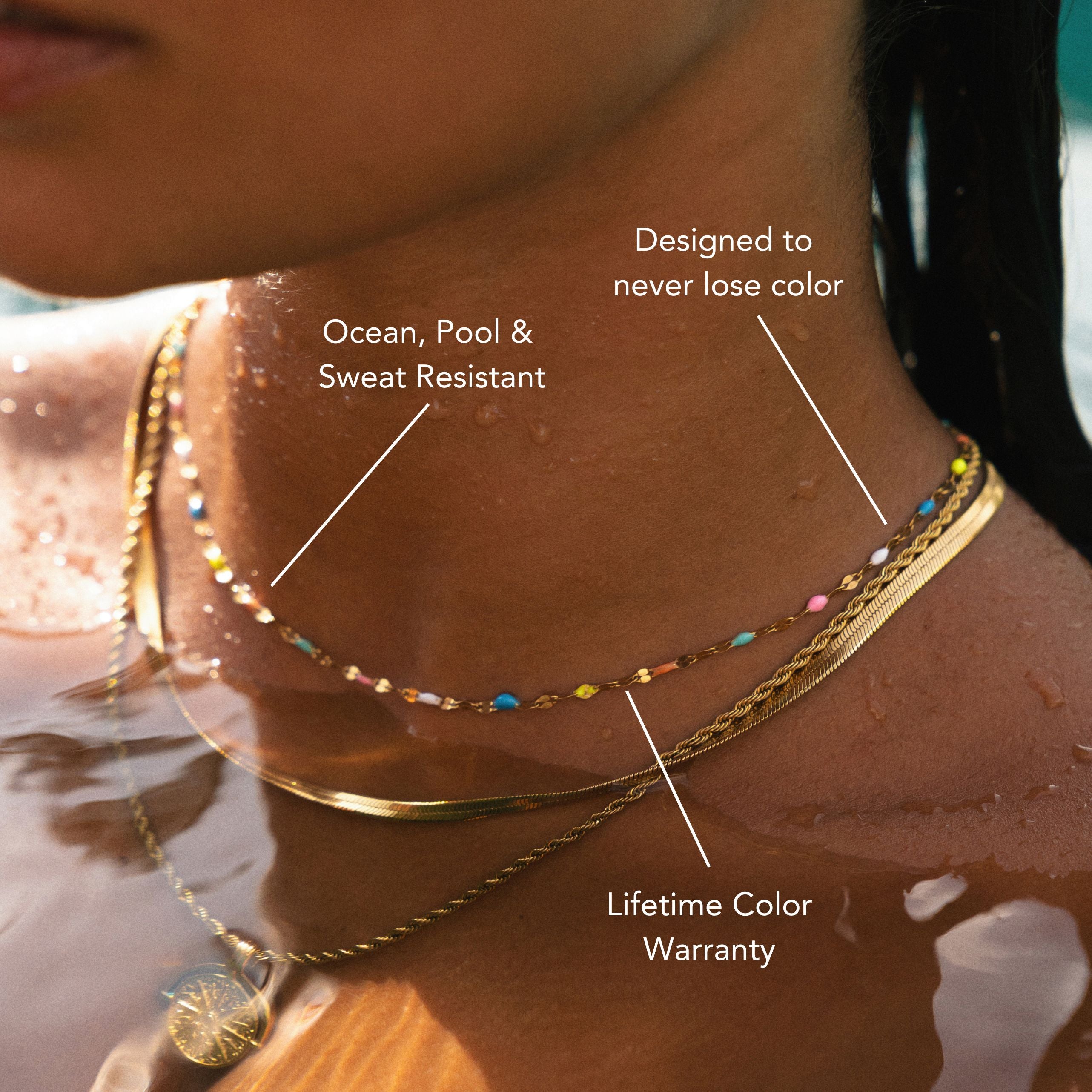
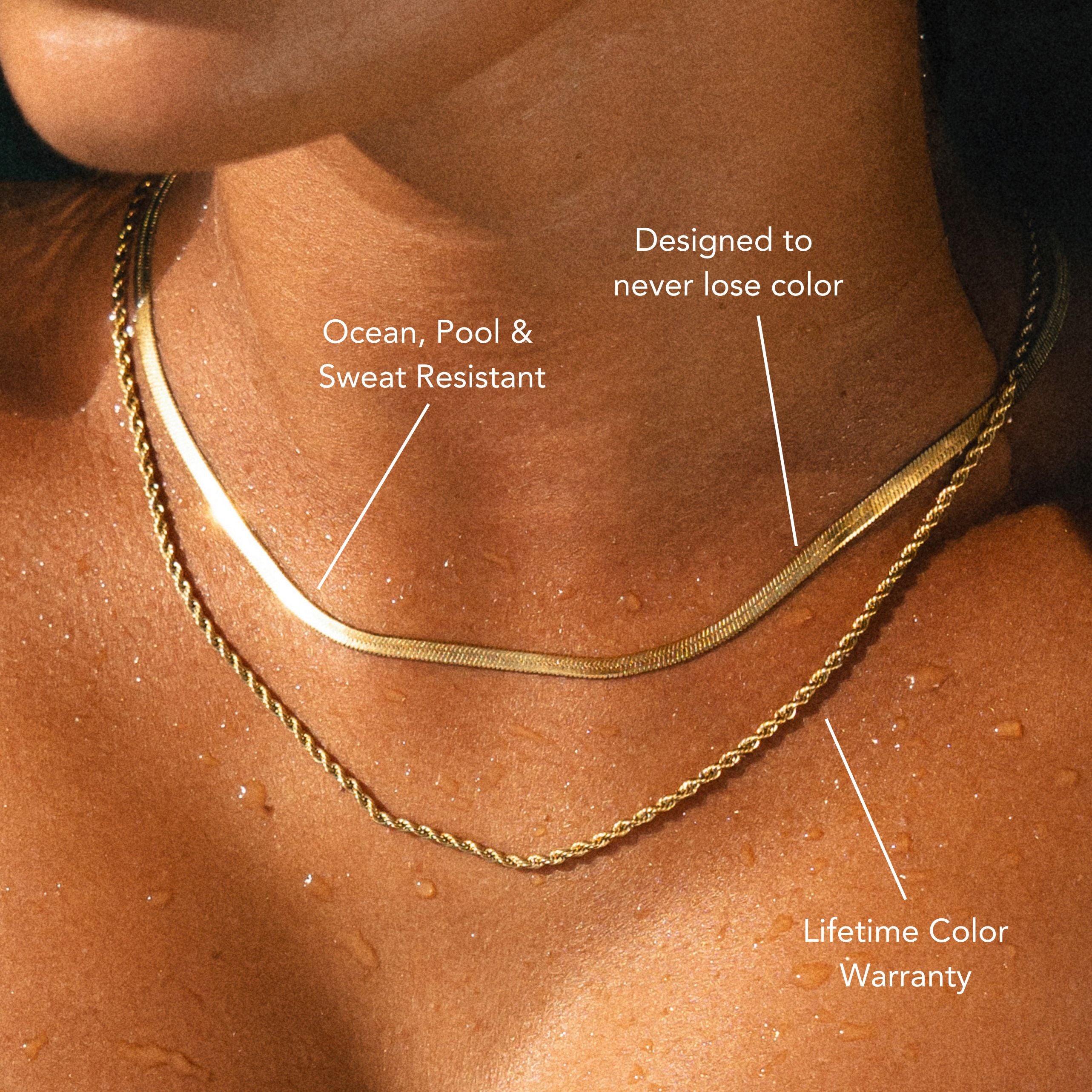
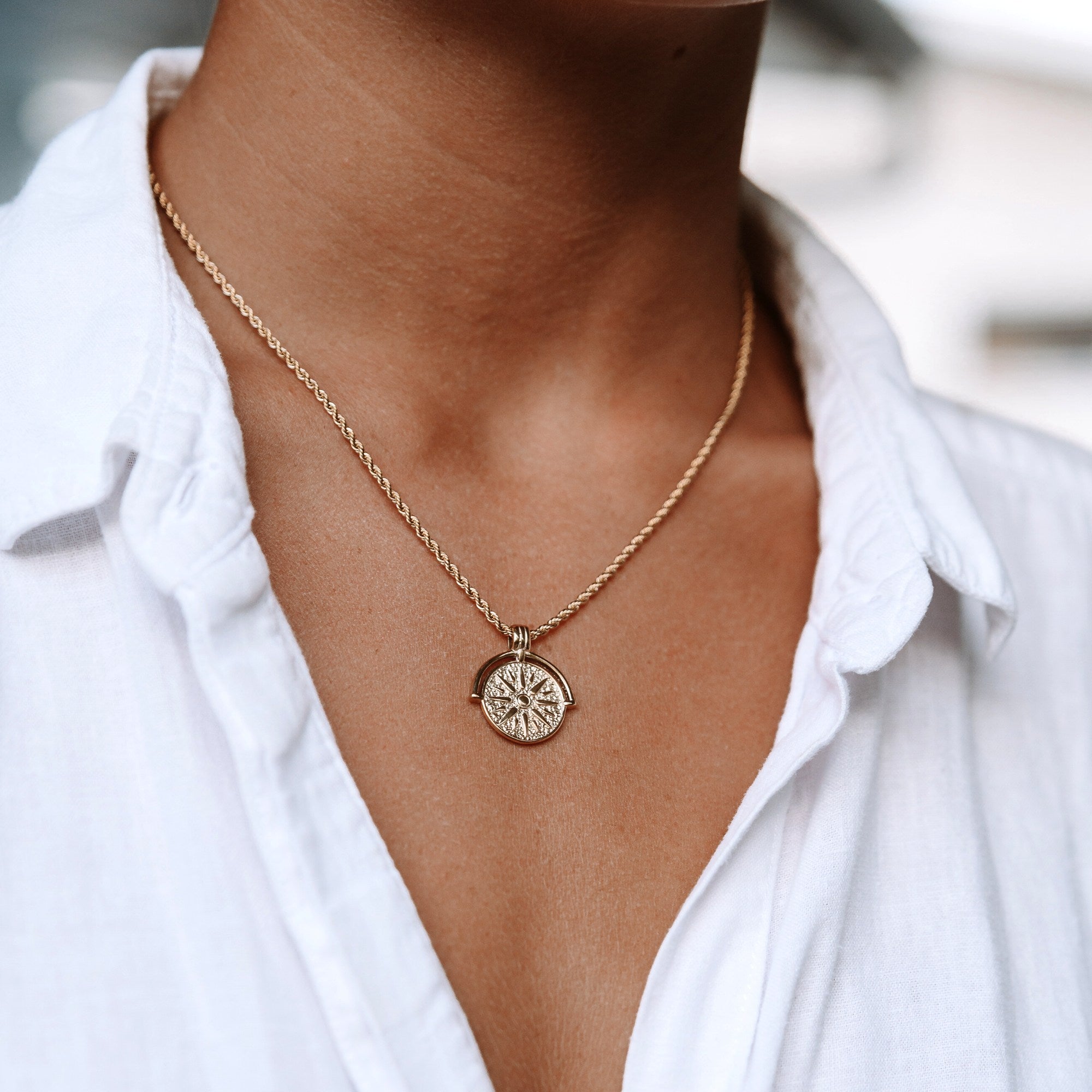
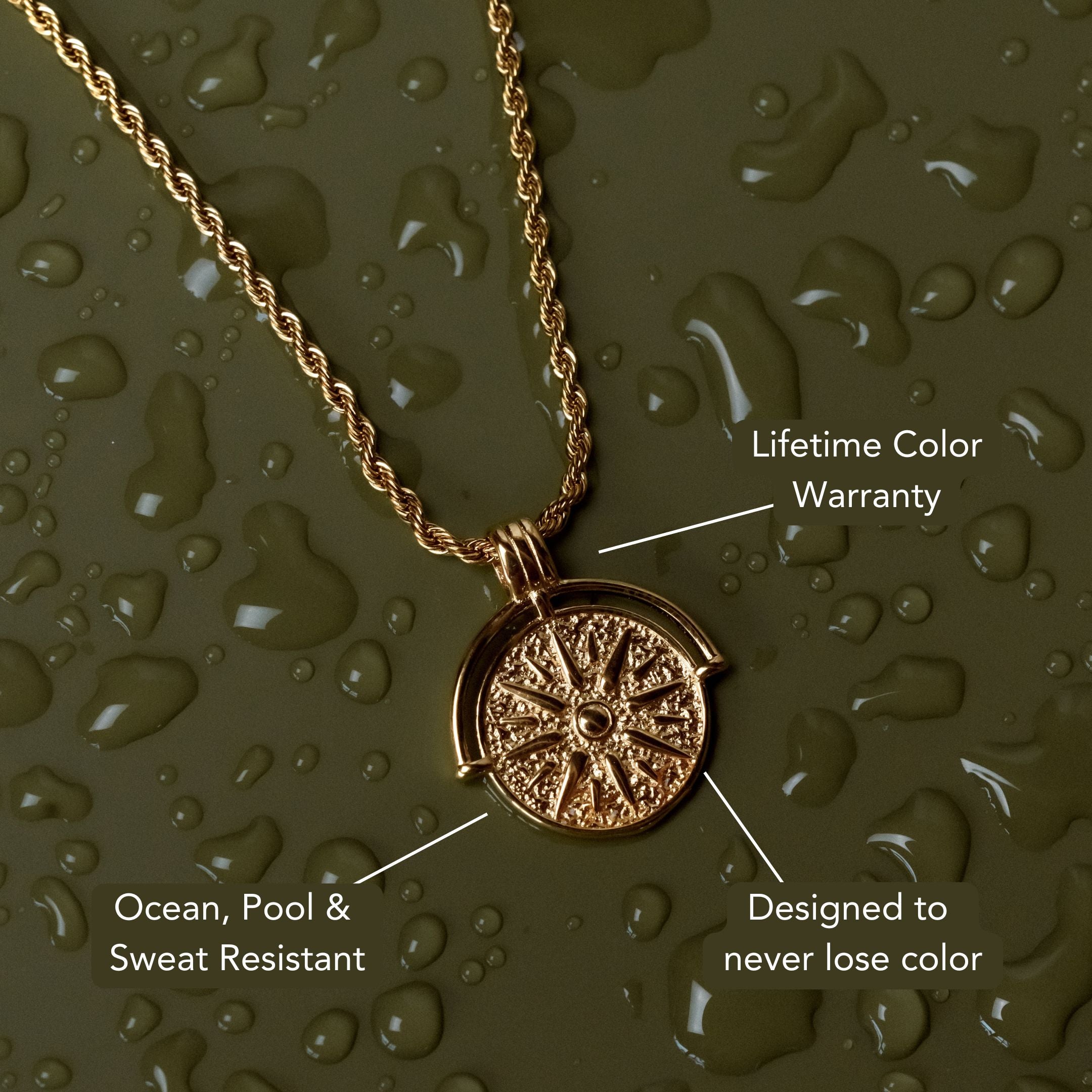
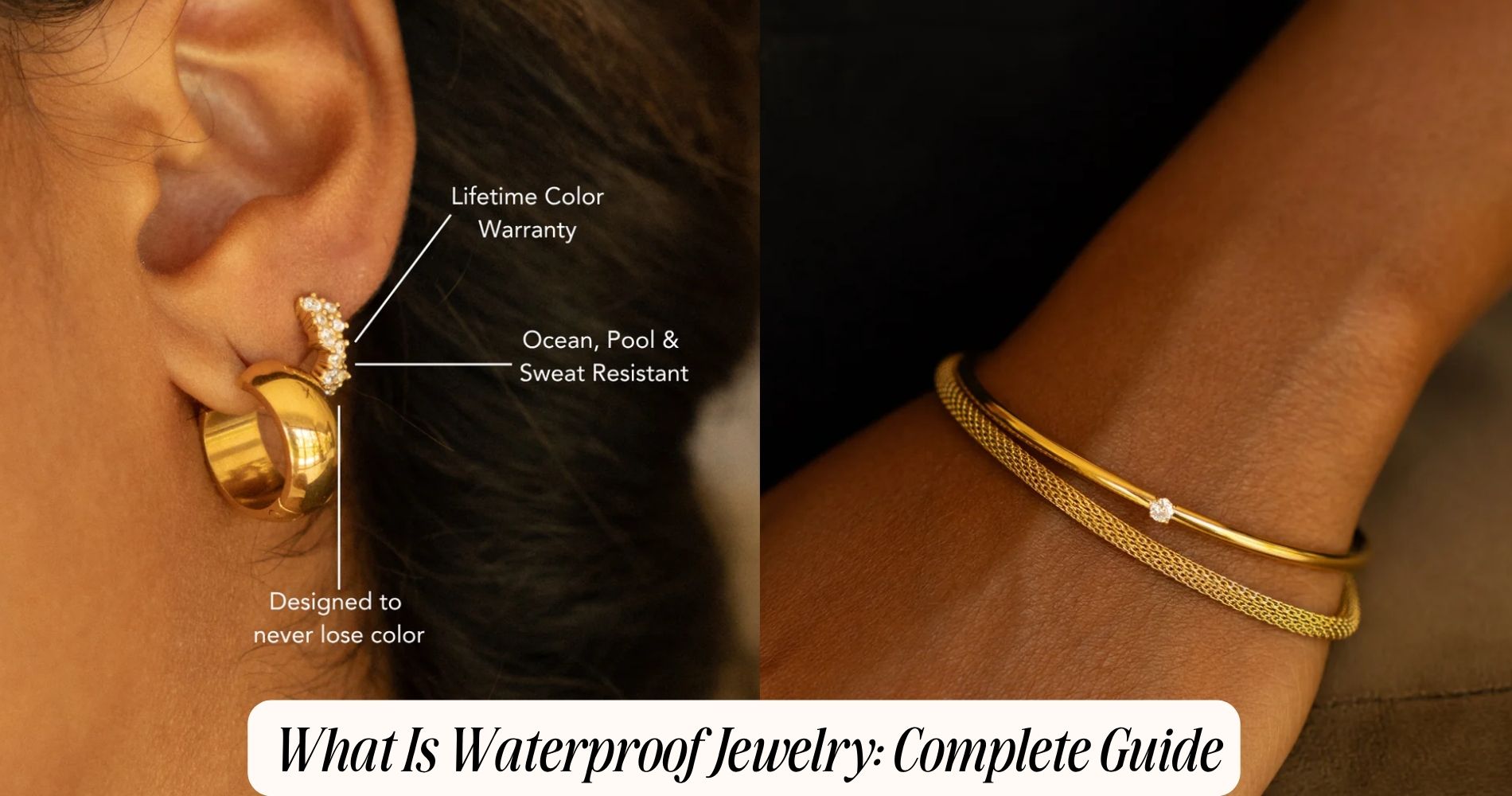
The practical result is a gold or colored-tone piece that holds its finish through daily showers, gym sessions, pool sessions, beach days, and ocean swims without the color lifting, dulling, or the base material reacting to water exposure. ATOLEA builds its waterproof range on PVD-coated 316L stainless steel throughout and backs every piece with a lifetime color warranty, which reflects the material's genuine performance rather than a conditional coverage claim.
Limitations of Stainless Steel in Water
Genuine waterproof performance does not mean zero maintenance or zero limitations. Two specific considerations apply to stainless steel jewelry in water contexts.
Mineral deposit buildup. Tap water in most municipal supply systems contains dissolved calcium and magnesium that leave white mineral deposits as the water evaporates. These deposits accumulate over time on any jewelry surface including stainless steel, particularly inside chain links and around clasp mechanisms. They do not damage the steel or the PVD coating but do dull the surface appearance progressively. A quick wipe with a soft cloth after showering removes the water film before it evaporates and eliminates most mineral deposit buildup.
Extreme industrial chemical exposure. 316L stainless steel's passive film holds through the chlorine concentrations in standard pool water (1 to 3 parts per million) but can be compromised by higher chlorine concentrations such as those in commercial bleach solutions or industrial cleaning products. This is not a relevant concern for jewelry wear in recreational or everyday conditions, but it means pieces should not be worn through direct contact with concentrated cleaning chemicals.
Neither limitation affects the performance of stainless steel jewelry through the everyday water exposure conditions an active lifestyle involves. A brief rinse and wipe after pool or ocean sessions is the only maintenance practice that extends the long-term appearance of a piece that is already genuinely waterproof by material specification.

Frequently Asked Questions
Is stainless steel jewelry really waterproof?
316L surgical-grade stainless steel is genuinely waterproof through daily shower wear, pool swimming, and ocean contact. Its chromium oxide passive film prevents corrosion and tarnishing through sustained water exposure without degrading. With PVD coating over the steel base, colored finishes hold through the same conditions because the atomic-level bond does not lift or wear through the way standard plating does.
Will stainless steel jewelry rust in water?
316L and 304 stainless steel jewelry does not rust under normal water contact conditions including showers, pools, and ocean swimming. The chromium oxide passive film prevents the iron in the alloy from oxidizing. Rust requires direct exposure of iron to oxygen and moisture without a protective layer, which the passive film prevents. Lower-grade stainless alloys without sufficient chromium content can show surface rust with sustained water exposure, which is one reason grade specification matters.
Can I wear stainless steel jewelry in a chlorine pool?
Yes, with 316L grade steel. The molybdenum content in 316L specifically improves resistance to chloride-induced pitting corrosion, which is the mechanism pool chlorine uses to attack less resistant alloys. 304 steel handles light pool exposure adequately but shows more susceptibility to pitting over repeated extended pool sessions compared to 316L. A fresh water rinse after pool sessions removes residual chlorine from the surface as good practice.
Does PVD coating make stainless steel more waterproof?
PVD coating extends the water resistance of stainless steel to colored finishes that would otherwise require standard electroplating. Uncoated stainless steel is already waterproof in its natural tone. PVD adds the gold or rose gold appearance without introducing the adhesion vulnerabilities of electroplating, so the colored finish holds through water exposure as reliably as the bare steel beneath it.
How long does stainless steel waterproof jewelry last?
Uncoated 316L stainless steel jewelry does not degrade under normal wearing conditions and lasts indefinitely with basic care. PVD-coated stainless steel holds its colored finish through years of daily active wear, with the coating's hardness exceeding that of the steel base meaning friction wear is slower than on standard plated pieces. Brands that back PVD stainless steel with a lifetime color warranty, as ATOLEA does, provide direct confirmation of expected longevity.
Conclusion
Is stainless steel waterproof jewelry has a specific answer: 316L surgical-grade stainless steel qualifies as genuinely waterproof through daily shower wear, pool sessions, and ocean swimming through its self-renewing chromium oxide passive film. PVD coating over the same base extends that waterproof performance to gold and colored finishes without the adhesion vulnerabilities that make standard plating fail in water. Grade specification and coating method are the two variables that determine whether a specific piece delivers on a waterproof claim, and both are verifiable in the product description before purchase.





Leave a comment
This site is protected by hCaptcha and the hCaptcha Privacy Policy and Terms of Service apply.