

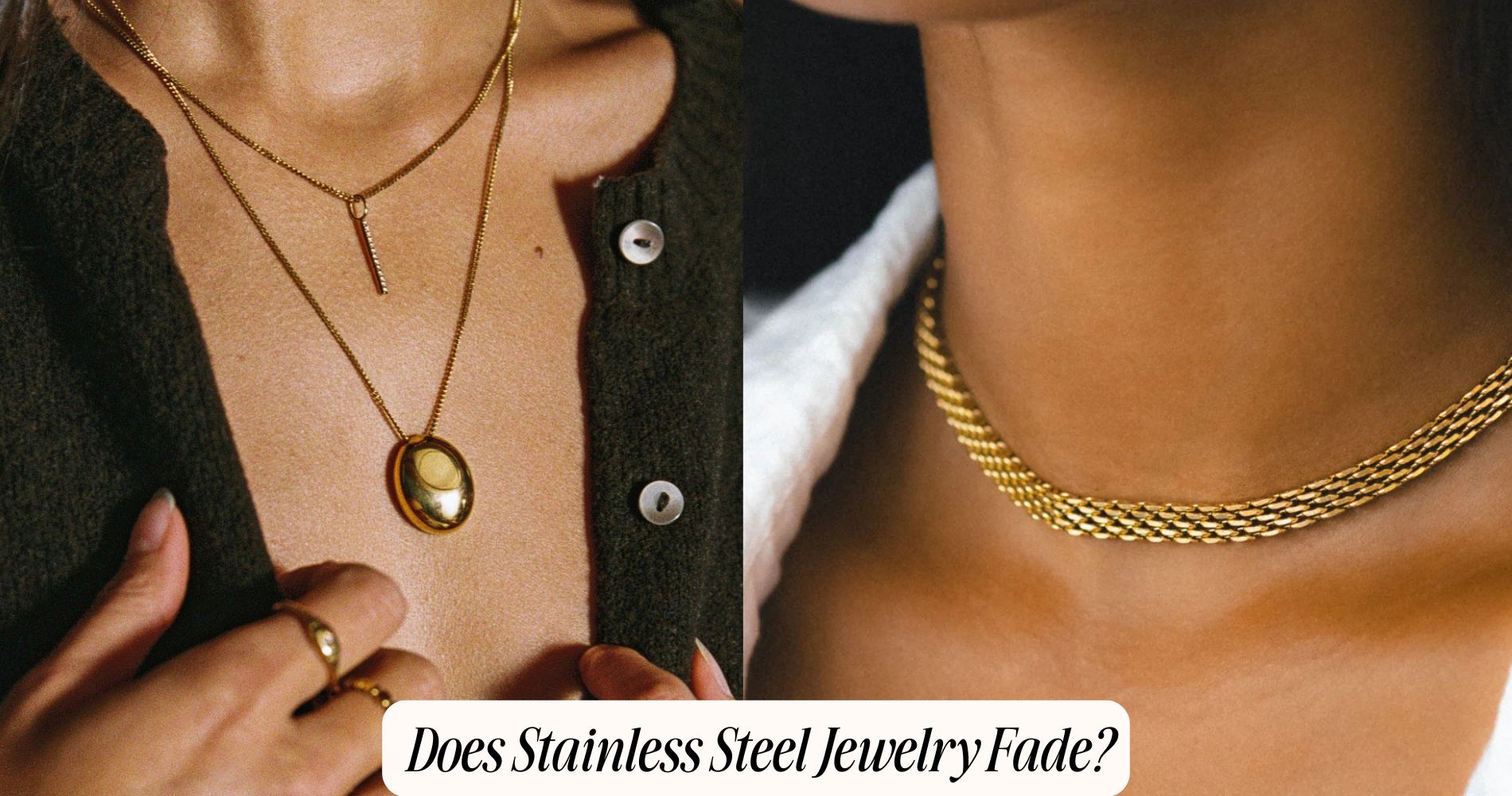
Does Stainless Steel Jewelry Fade?
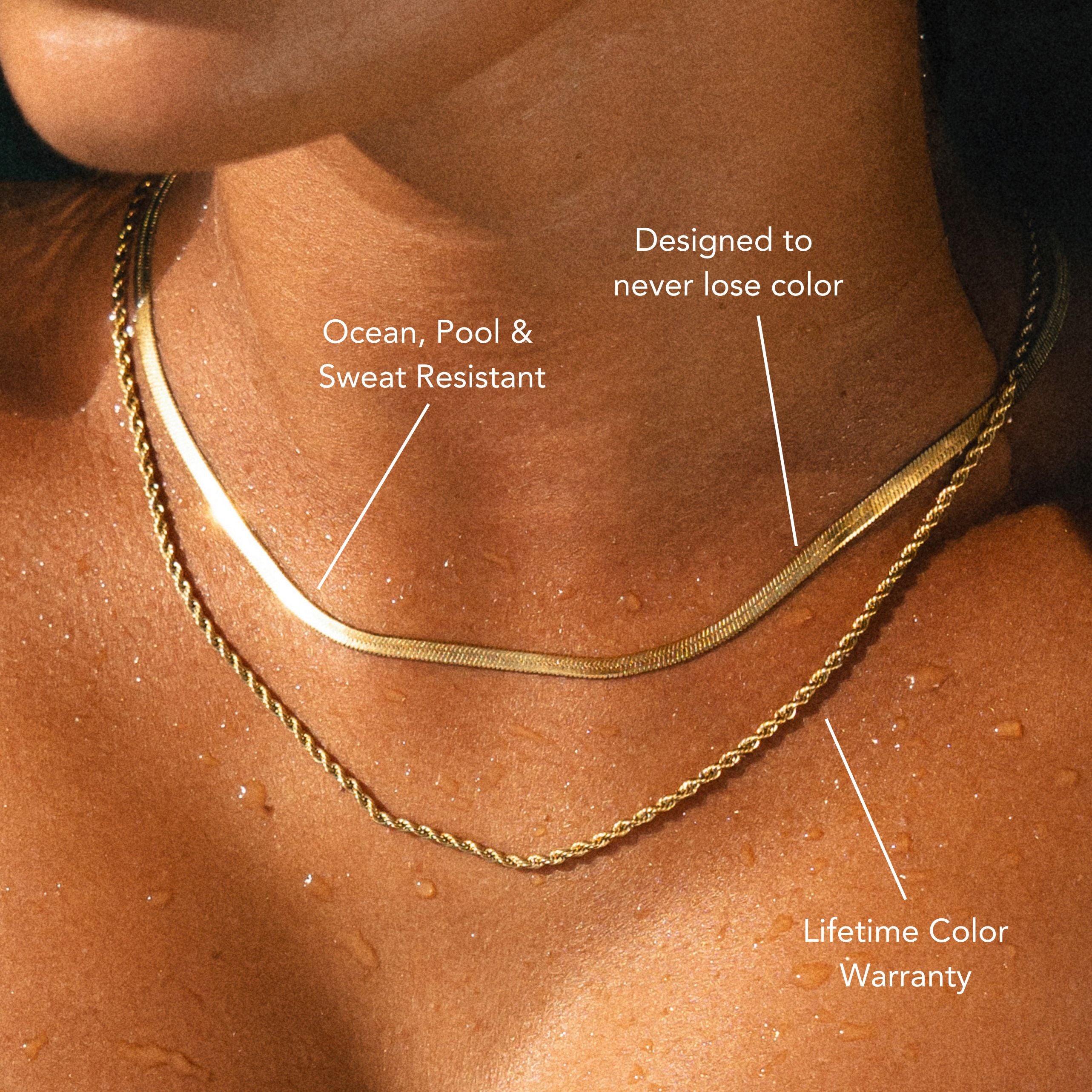
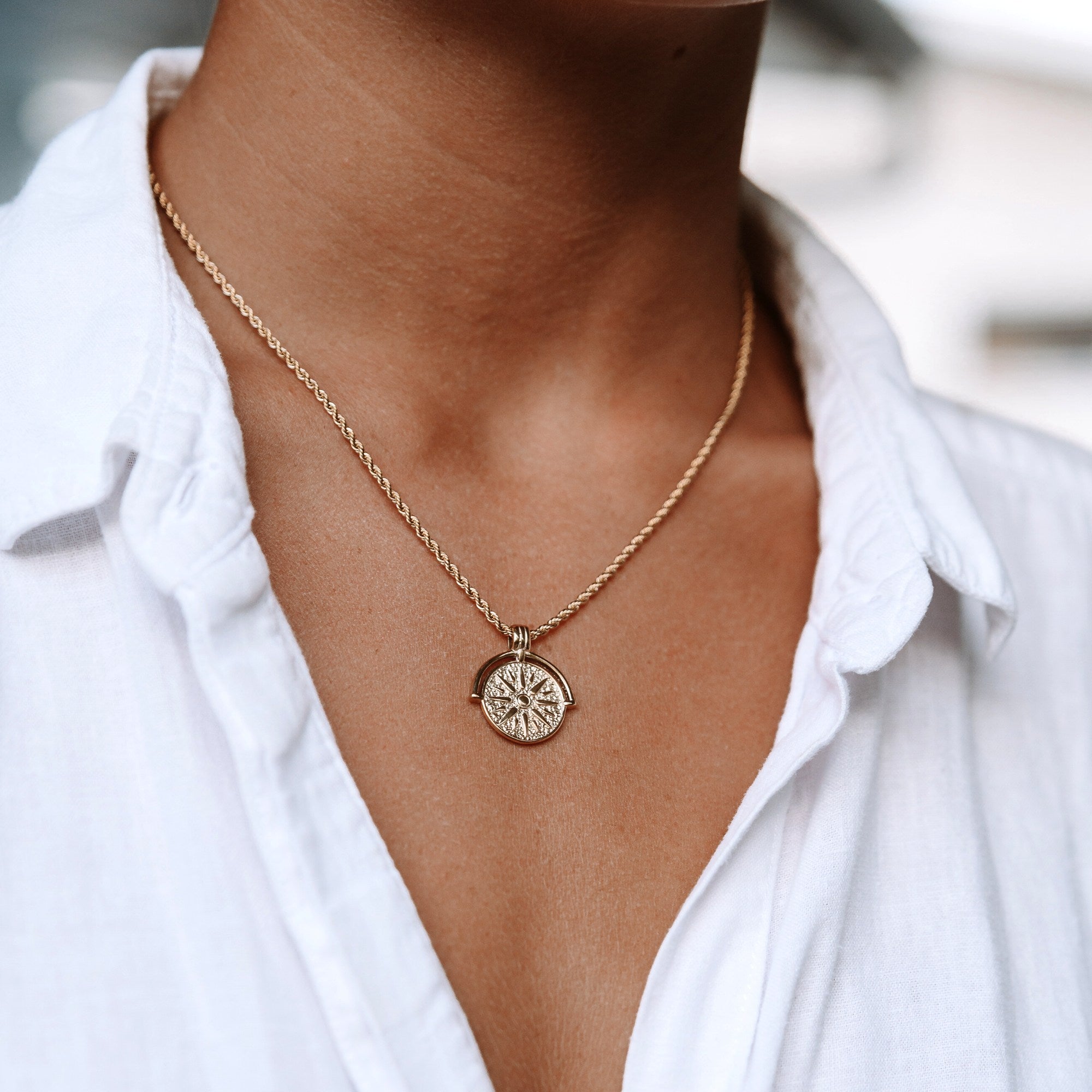
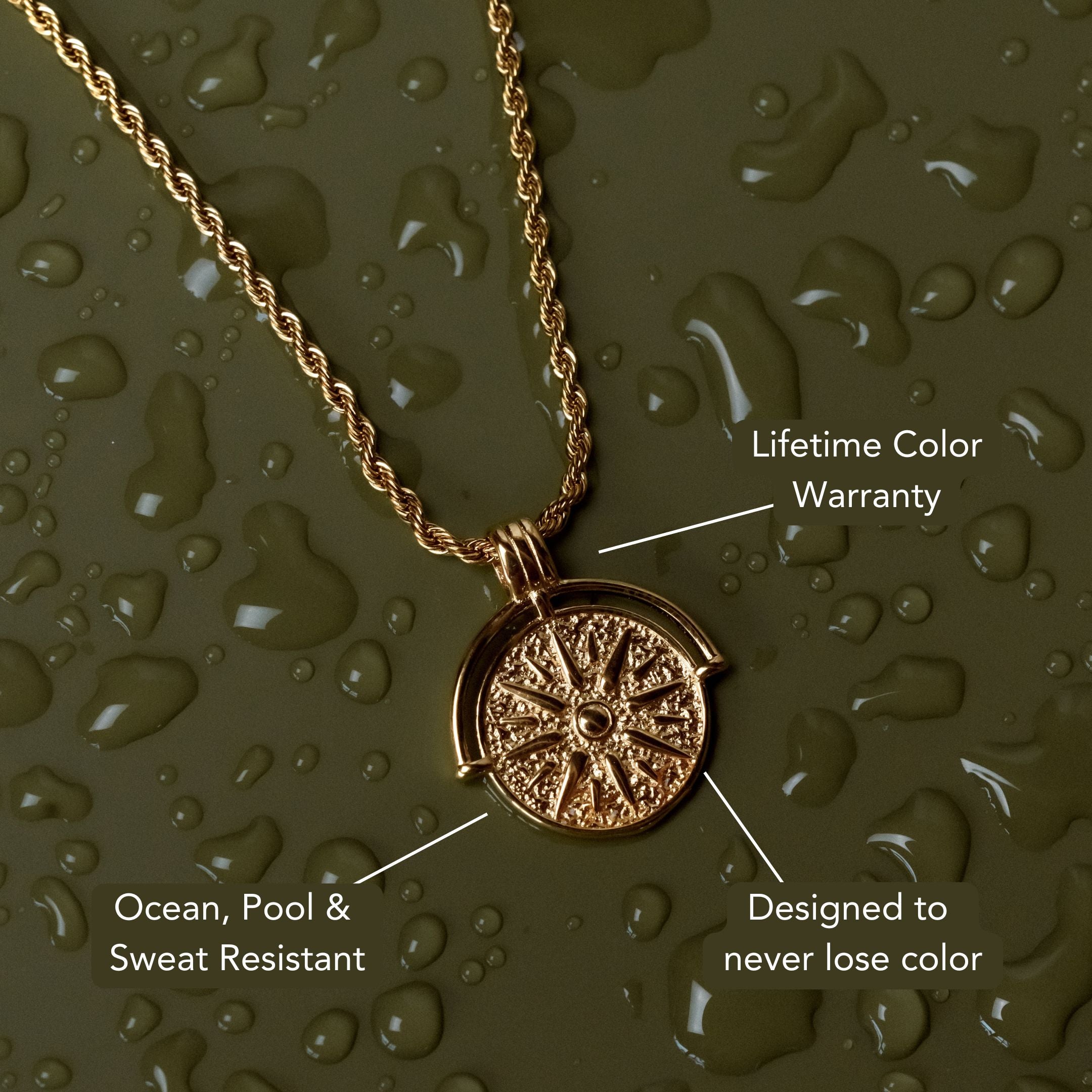
If you’ve ever wondered does stainless steel jewelry fade?, the short answer is no—quality stainless steel is designed to hold its shine. Its high chromium content creates a self-healing oxide layer that resists tarnish, discoloration, and corrosion during everyday wear. This makes it far more durable than sterling silver or gold-plated pieces, which can oxidize or wear down over time. For jewelry that stays bright and beautiful, anti-tarnish jewelry collection is a great example of long-lasting performance. And if your pieces ever look a bit dull, it’s usually just surface buildup, easily restored with gentle, low-abrasion cleaning.
What Makes Stainless Steel Different From Other Jewelry Metals
Unlike silver, brass, or gold alloys that rely mainly on surface treatments, stainless steel derives its durability from its internal metallurgy: a high chromium content (typically ≥10.5%) that forms a self-healing passive oxide layer.
You’re not depending on platings or lacquers; instead, the metal’s bulk alloy composition governs performance.
In stainless steel jewelry, chromium, nickel, molybdenum, and low carbon levels interact to enhance corrosion resistance and surface stability.
By contrast, sterling silver tarnishes as silver sulfide forms, while brass and bronze readily oxidize, requiring frequent polishing.
Gold jewelry often uses soft karat alloys that deform more easily.

With stainless steel, you’re choosing a hard, high-tensile, phase-stable matrix that maintains its luster through metallurgical design rather than cosmetic coatings.
How Stainless Steel Reacts to Daily Wear and the Elements
When you expose stainless steel jewelry to sweat, soaps, cosmetics, and ambient air, its chromium-rich surface rapidly forms and continuously renews a thin, adherent chromium oxide film that resists corrosion and discoloration.
This passive layer self-heals when abraded, so normal daily exposure rarely undermines its integrity.
In practice, you can subject quality stainless steel to repeated handwashing, routine perspiration, and incidental contact with mildly acidic or alkaline substances without seeing significant fading.
Environmental factors like humidity, UV radiation, and temperature fluctuations don’t chemically degrade the alloy; they primarily influence surface deposits such as salts or organic films.
With simple rinsing and occasional wiping, you preserve the metal’s luster because the underlying microstructure and passive film remain metallurgically stable.
Common Reasons Stainless Steel Jewelry May Discolor or Dull
Although stainless steel itself resists true fading, your jewelry can still appear discolored or dull due to exogenous surface changes rather than degradation of the alloy.
You’ll most often see film buildup from cosmetics, hard-water minerals, and skin oils that create a diffuse, non-reflective layer. Detergents, chlorine, and perspiration alter oxidation factors at the surface, disrupting the uniform chromium-oxide passive film and encouraging localized staining.
Micro-abrasion from sand, concrete, or rough storage produces fine scratches that scatter light and reduce luster.
If your piece has applied surface treatments—such as PVD color coatings, electroplated accents, or textural finishes—those layers can wear unevenly, causing patchy dullness.

Residual polishing compounds and inadequate cleaning protocols further trap contaminants, making the metal appear darker or “faded” despite structural integrity.
Comparing Stainless Steel to Silver, Gold-Plated, and Other Materials
By understanding that most “fading” in stainless steel stems from surface contamination and wear rather than alloy breakdown, you can better benchmark its performance against other jewelry metals.
Sterling silver (92.5% Ag) exhibits surface tarnish via silver sulfide formation, demanding periodic polishing. In contrast, stainless steel’s passive chromium-oxide film resists oxidation, sweat, and chlorides, a key stainless steel advantage over silver and base-metal alloys.
When you compare it to gold-plated pieces, stainless steel won’t suffer from electroplated layer abrasion, underplating corrosion, or visible base-metal breakthrough.
However, stainless steel disadvantages include lower perceived luxury versus solid gold, more challenging resizing, and potentially higher nickel-sensitization risk than hypoallergenic alloys like titanium or niobium.
How to Care for Stainless Steel Jewelry to Maintain Its Shine
Even though stainless steel jewelry resists tarnish better than many metals, you still need targeted maintenance to preserve its optical luster and surface integrity.
You’ll protect the passive chromium-oxide film by using low-abrasion cleaning techniques: rinse pieces in lukewarm water with a dilute (1–2%) non-chlorinated dish detergent, then agitate gently with a soft-bristle brush along the grain. Thoroughly dry with a microfiber cloth to prevent water-spot mineral deposition.
For controlled polishing methods, use a jewelry-specific stainless steel polishing compound or pre-treated cloth formulated for ferrous alloys. Apply minimal pressure to avoid micro-scratching or finish distortion.
Keep jewelry away from bleach, strong acids, and gritty media that can disrupt the passivation layer, and store pieces individually in lint-free pouches to minimize tribological wear.
When Stainless Steel Jewelry Might Not Be the Best Choice
Meticulous care maximizes stainless steel’s longevity, but this alloy doesn’t ideally serve every use case or wearer profile.
If you prioritize ultra‑premium luster, platinum, palladium, or high‑karat gold often outperform stainless steel’s more industrial aesthetic.
You may also find stainless steel suboptimal when fine engraving or micro‑pavé settings demand a softer, more malleable metal.
If you have heightened metal sensitivity, nickel‑bearing grades can trigger allergic reactions, particularly in high‑friction areas like earlobes or finger creases.
For piercings still epithelializing, implant‑grade titanium or niobium typically offers a safer biocompatibility profile.

In environments involving strong chlorides, acids, or high temperatures, even corrosion‑resistant stainless steel can pit or discolor, creating durability concerns that make alternative alloys more appropriate.
Tips for Buying High-Quality Stainless Steel Jewelry
Smart purchasing starts with verifying the alloy and manufacturing quality behind any stainless steel jewelry you’re considering.
Check for grade markings like 316L or 304; 316L offers superior pitting and crevice corrosion resistance, especially for perspiration or saltwater exposure. Avoid “stainless” pieces with unknown or mixed alloys.
Inspect surface finishing: look for uniform polishing, consistent plating (if colored), and clean solder joints.
Test clasp integrity and link articulation on chains and bracelets.
Evaluate whether trendy designs compromise structural robustness—overly thin prongs, hollow links, or sharp edges can deform or scratch easily.
Compare pieces within the same price range, noting weight (density), machining precision, and hypoallergenic claims.
Buy from vendors who disclose composition, manufacturing processes, and care recommendations.
Frequently Asked Questions
Can Stainless Steel Jewelry Be Resized or Repaired Like Gold or Silver Pieces?
You can resize or repair stainless steel jewelry, but it’s harder than gold or silver. Jewelers use specialized resizing techniques, laser welding, and micro-soldering repair options; success depends on alloy hardness, stone settings, and design complexity.
Is Stainless Steel Jewelry Safe for People With Nickel Allergies?
You can usually wear high‑grade stainless steel safely, but nickel sensitivity complicates things. Alloys like 316L/implant‑grade steel exhibit partial hypoallergenic properties, yet trace nickel release may still trigger contact dermatitis in highly sensitized individuals. Test cautiously before prolonged wear.
Can Stainless Steel Jewelry Be Engraved or Personalized Easily?
You can engrave stainless steel jewelry effectively using laser or rotary engraving techniques. Its hardness demands specialized tools, but it supports precise text, logos, and patterns, giving you durable, high-contrast personalization options with minimal structural compromise.
Does Stainless Steel Jewelry Interfere With Medical Devices or Metal Detectors?
You’ll rarely see stainless steel jewelry interfere with medical devices or metal detectors. Stainless steel compatibility is generally high, but pacemakers, MRIs, and sensitive implants warrant individualized assessment to mitigate specific electromagnetic interaction and medical equipment concerns.
Is Stainless Steel Jewelry Suitable for Wedding Rings and Long-Term Daily Wear?
Yes, you can choose stainless steel wedding rings for long-term daily wear; they exhibit excellent hardness, corrosion resistance, hypoallergenic properties, favorable durability comparison to silver, and high style versatility across finishes, profiles, and contemporary or minimalist design aesthetics.
Conclusion
You’ve seen that stainless steel’s chromium-rich matrix resists oxidation, outperforms silver and gold-plated alloys, and only dulls from surface abrasion, biofilms, or harsh chemicals. By choosing surgical- or marine‑grade alloys, verifying passivation quality, and avoiding chloride-rich or highly acidic exposure, you’ll preserve luster and structural integrity. When hypoallergenic performance, durability, and low maintenance matter more than intrinsic metal value, stainless steel jewelry gives you a stable, corrosion-resistant option with predictable, evidence-backed longevity.





Leave a comment
This site is protected by hCaptcha and the hCaptcha Privacy Policy and Terms of Service apply.